
When the World’s Biggest Project Meets Reality
Saudi Arabia is scaling back parts of NEOM, the world’s most ambitious mega-project, as rising costs and engineering realities force a strategic reset. But this is not a retreat. From AI-driven infrastructure to entertainment cities and heritage developments, Vision 2030 is shifting from spectacle to execution, reshaping how the future of mega-projects, cities, and infrastructure will actually be built.

Alex Honnold Climbed the Taipei 101. Here’s Why the Building Deserves Equal Applause
Alex Honnold’s record setting climb of Taipei 101 brought global attention to one of the most extraordinary skyscrapers ever built. Standing 508 meters tall in a region prone to earthquakes, typhoons, poor soil conditions, and a high water table, Taipei 101 is a masterclass in structural and architectural engineering.
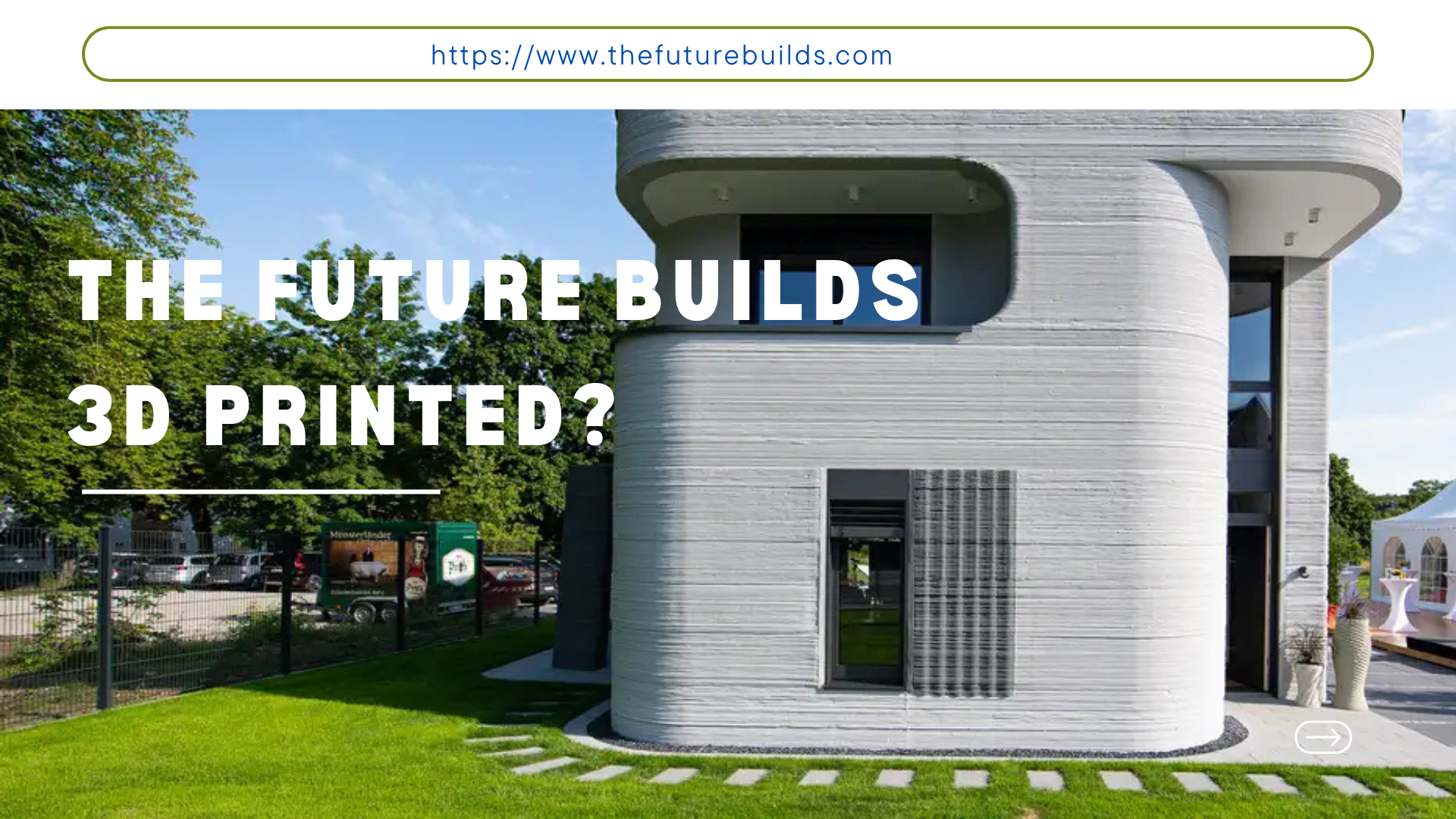
Is 3D Printing in Construction Quietly Making a Comeback?
3D printing in construction is rapidly shifting from prototype to production, transforming how buildings are designed and built around the world. In 2025, extrusion-based printers lead the market, converting digital models into real structures layer by layer with impressive speed and accuracy. With advances in AI, robotics, and sustainable materials, the next wave of innovation is already underway. Question is, will 3D printing soon become the future of construction?

My Trip to the Wright Brothers Memorial and What It Taught Me About Innovation
The Wright Brothers Memorial in Kill Devil Hills, North Carolina isn’t just where the first flight happened in 1903 it’s where innovation took off. Standing on the dunes where Wilbur and Orville proved powered flight possible, you realize their genius wasn’t luck, it was relentless testing, failing, and refining until breakthrough.

Meta Launched Its New AI Glasses, And The Hidden Opportunity Might Be In Construction!
Meta has launched its new AI-powered smart glasses—and while most headlines focus on consumer features, the hidden promise may be in construction technology. Lightweight, socially acceptable, and paired with a neural wristband for hands-free control, these glasses could finally deliver what AR headsets never could: practical jobsite integration. Imagine superintendents calling up BIM overlays in real time, engineers collaborating remotely through “see-what-I-see” video calls, automatic quantity tracking that updates punch lists as you walk, and safety alerts appearing directly in a worker’s line of sight. At $379–$799, Meta’s glasses are far cheaper than enterprise AR rigs, making them realistic for scaling across crews. For an industry long chasing AR’s potential, this might be the breakthrough that collapses the gap between design and execution.

From Ruins to Rentals: Inside the Messy Middle of Adaptive Reuse
The housing market is starving, and everyone’s talking about adaptive reuse. On paper, it’s a win: take something old, give it new life, skip years of red tape. But here’s the thing, projects like this show the real grind of construction.